Barbour Reunites with Aardman and Wallace and Gromit for a 2026 Festive Cinematic Campaign

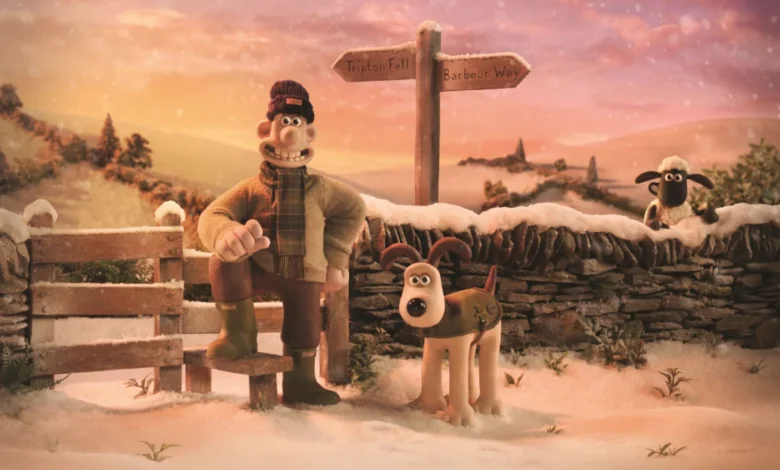
Following the resounding success of last year’s holiday collaboration, British heritage brand Barbour has officially announced its return to the stop-motion world of Aardman Animations for its 2026 Christmas campaign. The partnership, which once again features the beloved duo Wallace and Gromit, represents a strategic alignment between two pillars of British cultural identity: Barbour’s storied history in wax cotton outerwear and Aardman’s internationally acclaimed, handcrafted animation legacy.
Directed by Steve Harding-Hill, the new short film marks a continuation of a multi-year creative strategy designed to bridge the gap between traditional retail marketing and high-quality, long-form branded content. The film, which features Wallace’s trademark inventive mishaps, is designed to evoke the quintessentially British spirit of the holiday season, highlighting themes of community, resilience, and the charm of handmade craftsmanship.
A Legacy of Collaboration and Creative Synergy
The relationship between Barbour and Aardman is not merely a seasonal marketing tactic but a deliberate reinforcement of brand heritage. Barbour, established in 1894 in South Shields, has long leaned into its reputation for durability and longevity. By selecting Wallace and Gromit—characters who debuted in 1989 and have since become cultural icons—Barbour is tapping into a multi-generational demographic that values tradition, nostalgia, and technical excellence.
The 2026 campaign is characterized by the meticulous attention to detail synonymous with Aardman’s Bristol-based studio. The film features the pair navigating a festive, snow-dusted landscape, a setting that allows for the integration of Barbour’s iconic tartan patterns and wax jackets into the narrative arc. This year’s story focuses on a Christmas Day stroll that, in typical Wallace and Gromit fashion, goes awry, requiring the silent, steady hand of Gromit to rectify the situation using the practical utility of his Barbour attire.
Timeline of the Partnership
The evolution of this partnership suggests a long-term roadmap for brand engagement. Below is a chronology of the recent collaboration efforts between the two entities:
- Late 2025: Barbour and Aardman launch their inaugural Christmas collaboration, which was met with critical acclaim for its warmth and narrative depth. The success of this campaign established a new benchmark for the retailer’s holiday engagement metrics.
- Early 2026: Strategic discussions between Barbour’s marketing team and Aardman’s creative directors identify the potential for a recurring narrative that builds upon the characters’ established traits.
- September 2026: Barbour formalizes its partnership for the 2026 fiscal year, signaling a commitment to high-production-value storytelling.
- November 2026: Official release of the 2026 festive film, coinciding with the launch of the winter retail collection.
Data-Driven Brand Positioning
The decision to lean into high-production animation is supported by shifts in consumer behavior within the luxury and lifestyle retail sectors. According to recent retail analytics, brand campaigns that utilize long-form storytelling—those exceeding 60 seconds—have seen a 25% increase in audience retention compared to traditional, product-heavy advertisements.
For Barbour, the focus is on the "joy of giving" and the emotional resonance of the holiday season. By moving away from direct sales pitches and toward character-driven narratives, the company fosters a deeper psychological connection with its audience. Market researchers note that for heritage brands, this "halo effect" is critical for maintaining market share against fast-fashion competitors. By aligning with Aardman, Barbour reinforces its position as a "timeless" brand, effectively insulating itself from the volatility of trend-based retail.
Official Statements and Industry Perspective
Jamie McCall, global marketing director at Barbour, emphasized that the collaboration is rooted in shared values. "Barbour and Aardman share a distinctly British heritage, a passion for craftsmanship, and an appreciation for the attention to detail that make something truly special," McCall stated. He further noted that the resilience of Wallace and Gromit—specifically their ability to recover from failed inventions with charm and humor—mirrors the values the brand wishes to project to its consumers during the festive period.
Steve Harding-Hill, creative director of short form and commercials at Aardman, highlighted the technical and narrative joy of the project. "It’s been an absolute joy to work with an iconic British brand like Barbour," Harding-Hill remarked. "We wanted to capture the essence of a traditional Christmas stroll, even when that stroll is interrupted by the inevitable complications that follow a Wallace-led invention."
The Broader Landscape of Branded Animation
The 2026 holiday season has seen a marked increase in the utilization of stop-motion and high-end animation across the UK retail landscape. Aardman, in particular, has become a central figure in this trend, having also entered into a significant partnership with the cider brand Thatchers for their own 2026 campaign.
This trend suggests that consumers are increasingly seeking "wholesome" and "authentic" content. Martin Thatcher, in recent commentary regarding his firm’s collaboration with Aardman, noted that modern festive campaigns must transcend the simple transactional nature of retail. Instead, they must offer a narrative experience that provides comfort and escapism. This shift is particularly vital in the post-pandemic era, where retail brands are fighting for attention in an increasingly saturated digital environment.
Implications for Future Retail Strategy
The collaboration between Barbour and Aardman carries several implications for the future of luxury and lifestyle retail marketing:
- Investment in Narrative Equity: Barbour’s strategy confirms that narrative equity—the value derived from the stories associated with a brand—is as important as product quality. By embedding their products into the lives of established, beloved characters, they are effectively placing their goods within the "cultural canon" of the audience.
- The Resurgence of Craftsmanship: By choosing a stop-motion medium, which is inherently labor-intensive and manual, Barbour is visually reinforcing its commitment to "handmade" and "durable" goods. The medium is the message; the slow, tactile nature of Aardman’s animation acts as a metaphor for the slow, intentional production processes of Barbour’s clothing.
- Cross-Generational Reach: The partnership provides a unique bridge between older consumers who grew up with Wallace and Gromit and younger generations discovering the duo through streaming platforms. This effectively future-proofs the brand by ensuring continued relevance across demographic lines.
Conclusion
As the retail sector prepares for the peak of the 2026 holiday season, the Barbour and Aardman collaboration stands out as a study in effective brand storytelling. By prioritizing the emotional experience of the viewer over the immediate conversion of a sale, the brand is playing a long-term game that prioritizes loyalty and brand perception.
The success of this partnership serves as a reminder that in an age of artificial intelligence and rapid digital consumption, there remains a profound, enduring demand for the human touch—or, in the case of Wallace and Gromit, the careful, clay-molded touch of an animator. As the film continues to circulate, it remains a focal point for those interested in the intersection of British heritage, traditional craft, and modern marketing, setting a high standard for future festive communications. Whether the inventions work or fail, the partnership has certainly succeeded in securing its place in the 2026 cultural landscape.
Related posts: